As part of the Circular Reno Interreg North-West Europe project, two inspiring site visits offered participants a concrete insight into the development of bio-based construction materials and the value chains emerging around them.
From bamboo fibre insulation panels to miscanthus-based building blocks, the visits to Fiboo in Blaringhem and Miscanbloc in Merville highlighted two different approaches to turning locally grown biomass into innovative construction products. Both projects demonstrate the potential of bio-based materials to contribute to more sustainable construction, while also illustrating the investments, research and partnerships needed to scale up these emerging value chains.
Fiboo: turning bamboo into high-performance insulation
The first visit took participants to Fiboo's site in Blaringhem, hosted by Pierre Vion, President of Fiboo.
The visit began with an introduction to the company and its history. Fiboo's project is the result of several years of research and development, driven by the ambition to develop a high-tech, high-performance insulation product based on bamboo fibre.
Participants then visited the company's nearby 12-hectare bamboo plots, providing an opportunity to learn more about the crop and discuss its potential as a resource for the construction sector.
The discussions covered the many benefits associated with bamboo cultivation, including its high carbon storage potential, relatively low input requirements and positive effects on soil infiltration. The visit also provided an opportunity to exchange on agricultural best practices, cultivation methods and potential yields, while considering the conditions required to develop a reliable and sustainable supply chain.
The visit continued at Fiboo's production facility, where participants discovered the certified manufacturing process used to produce the company's semi-rigid bamboo fibre insulation panels. From the preparation of the raw material through to the manufacturing of the finished panels, the tour offered a detailed look at the different stages involved in transforming agricultural biomass into an innovative construction product.
The result is a semi-rigid insulation panel with a wide range of potential benefits and applications, offering an alternative bio-based solution for the building sector.
Fiboo is also pursuing a continuous improvement approach to reducing its environmental impact. One of the company's current priorities is to identify and develop partnerships with regional farmers, with the aim of sourcing raw materials closer to the production site and reducing transport distances.
This approach illustrates the potential for regional value chains based on bio-based resources, connecting agriculture, manufacturing and construction at a local level. By developing new partnerships between farmers and industrial players, projects such as Fiboo can contribute to structuring regional supply chains and supporting the large-scale development of the bio-based materials sector.
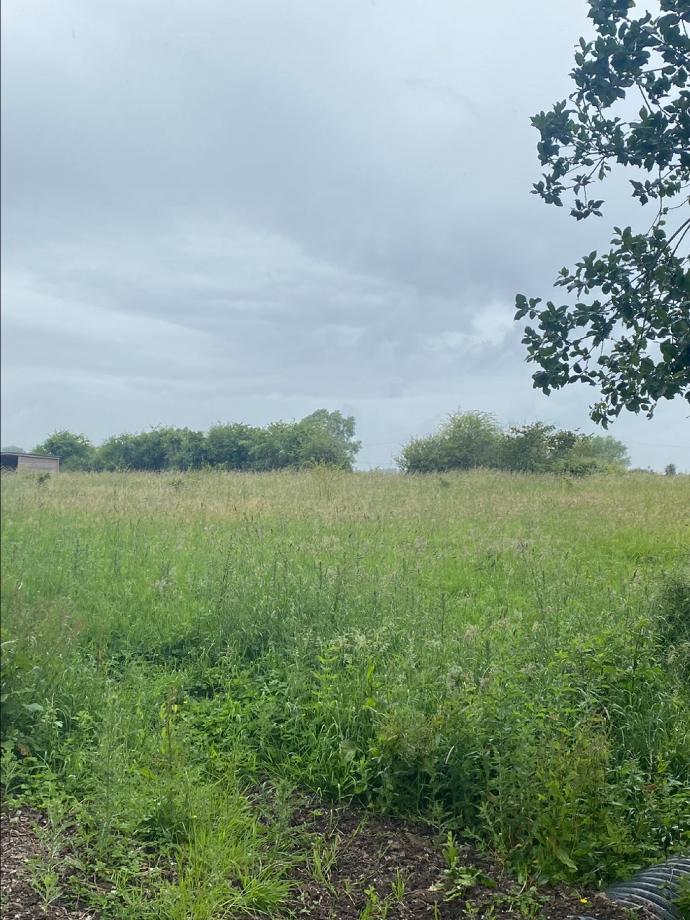
The
field
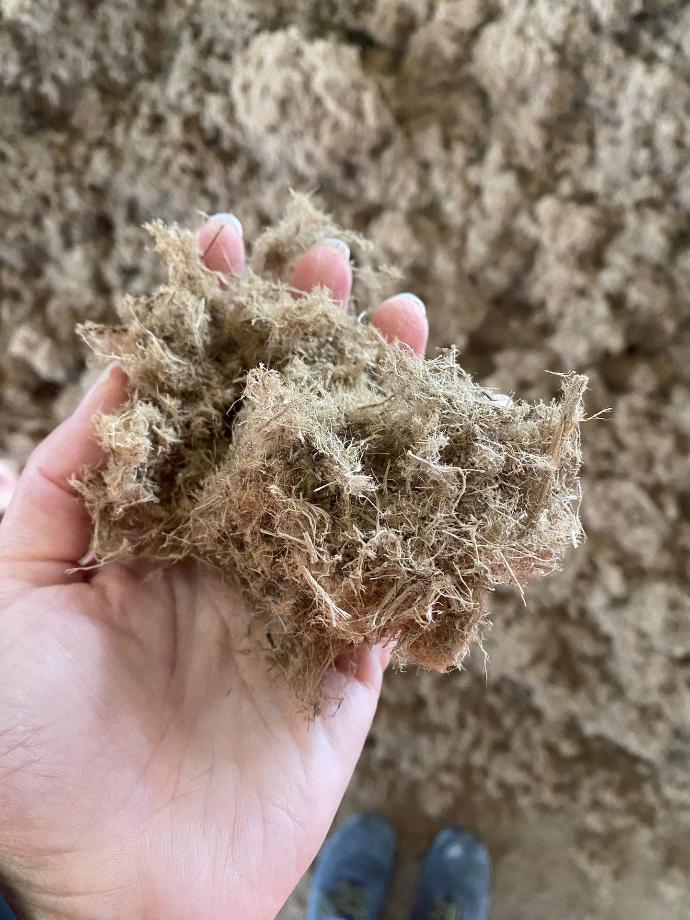
The material
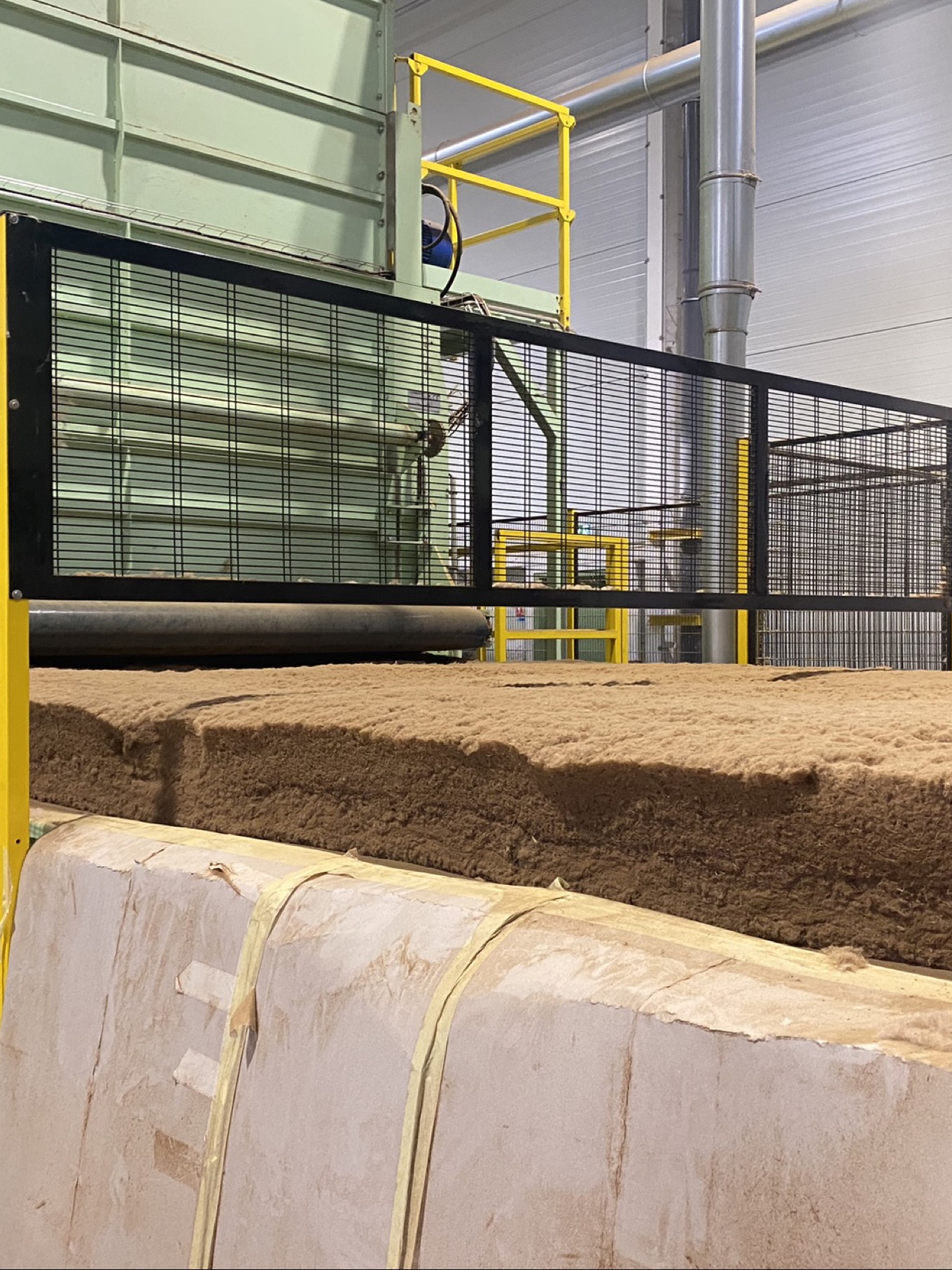
The process
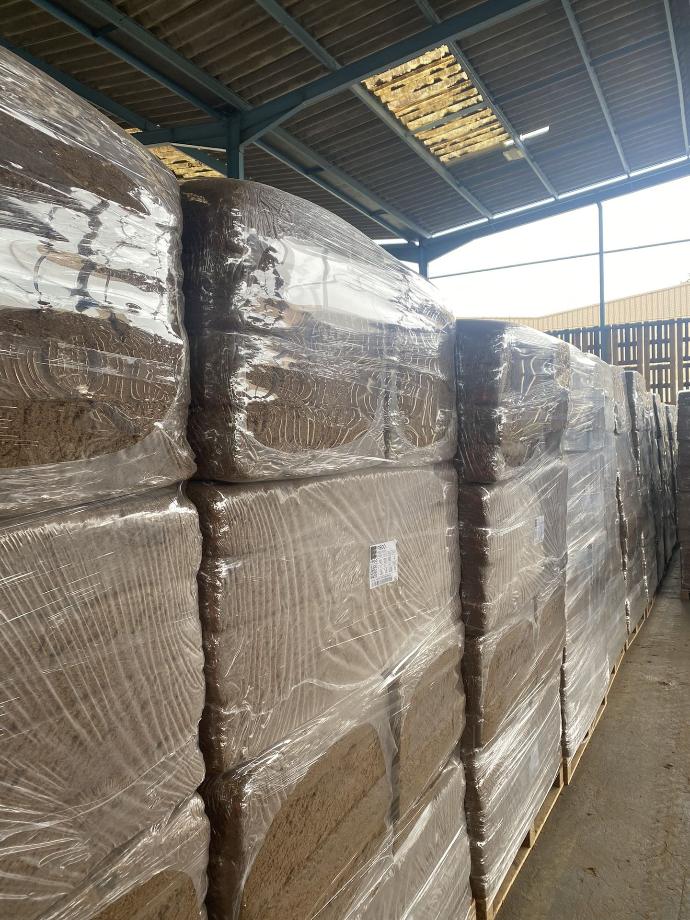
The result
Miscanbloc: from agricultural diversification to bio-based building blocks
The second visit took participants to the Miscanbloc farm and production site in Merville, where the group was welcomed by Florence Delassus, Managing Director of Miscanbloc.
The visit began with an overview of the company's history and its ambitious industrial project: producing bio-based building blocks from miscanthus grown on the family's own agricultural land.
The project reflects a major transition that began in 2020. Historically focused on traditional agriculture, including potato production, the family farm has progressively diversified its activities towards the production of bio-based raw materials and construction materials.
This transition represents a long-term journey, requiring significant financial investment and the development of new technical and industrial expertise. Participants learned about the support provided by Biosys, part of the Vicat Group, particularly in developing the formulation of the blocks and supporting the ongoing certification and approval process.
The visit then continued in the fields, with a tour of the farm's 200 hectares of miscanthus. Discussions focused on the characteristics of the crop, its cultivation and its potential benefits for soil quality, as well as the agricultural practices needed to develop a sustainable supply of biomass for construction.
The group also visited Miscanbloc's new production facility. The new line is expected to be commissioned in September or October 2026 and will become the fourth miscanthus-based block production line in France.
The project offers a concrete example of how agricultural diversification can create new local value from bio-based resources. By connecting agricultural production directly with the construction sector, Miscanbloc demonstrates how farmers can become key players in the development of new bio-based value chains.
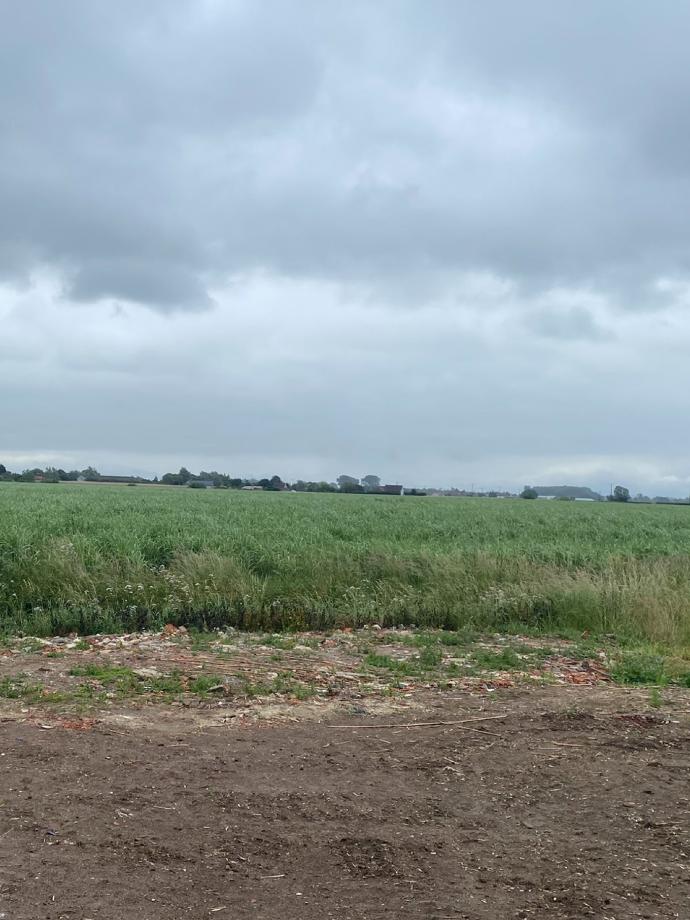
The
field
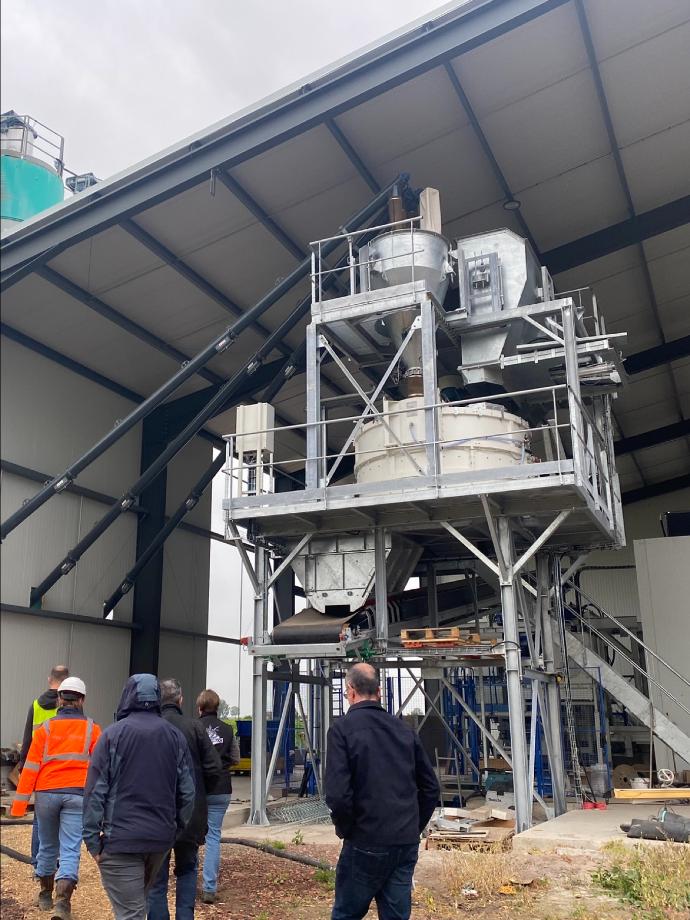
The process
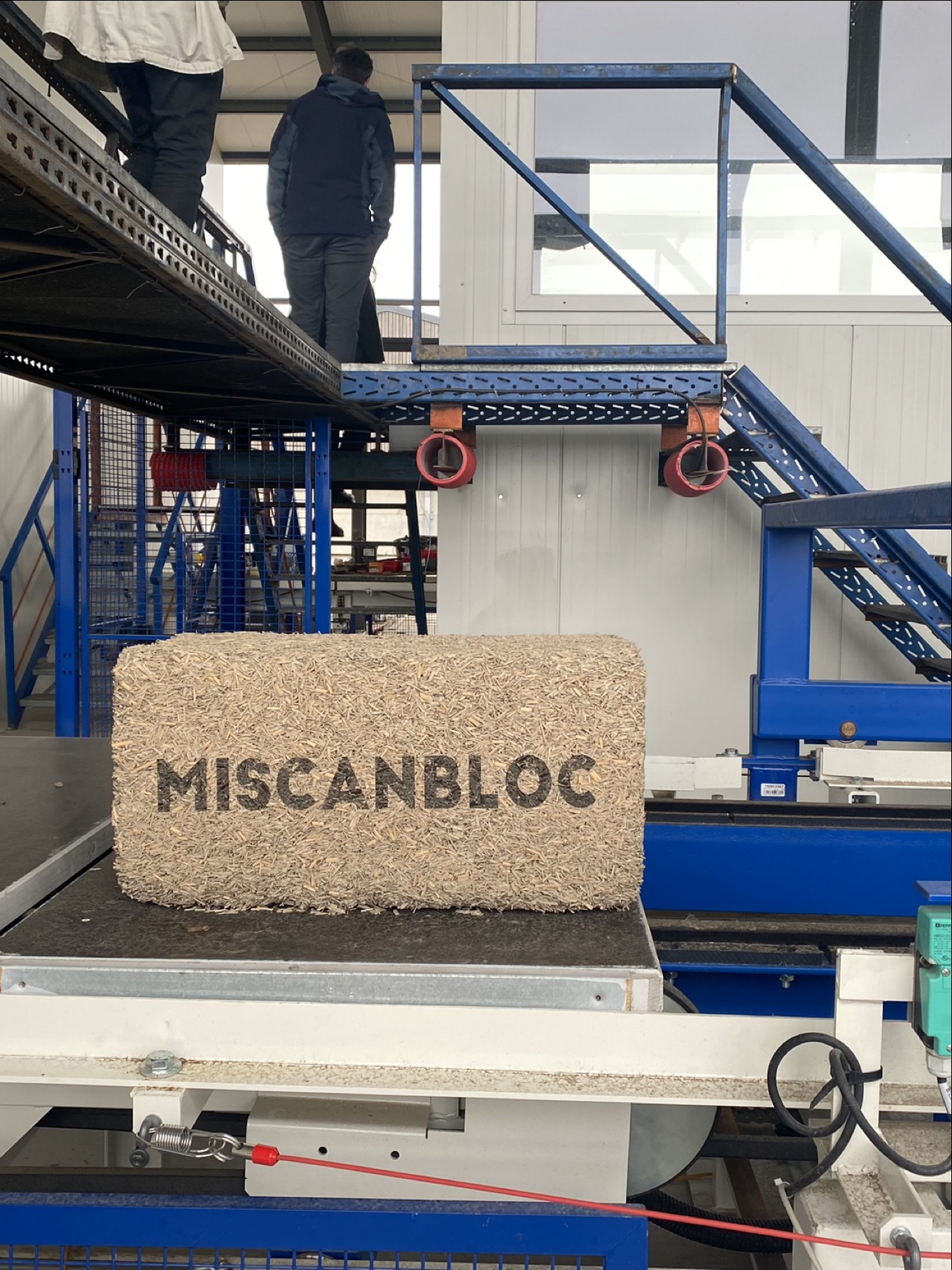
The result
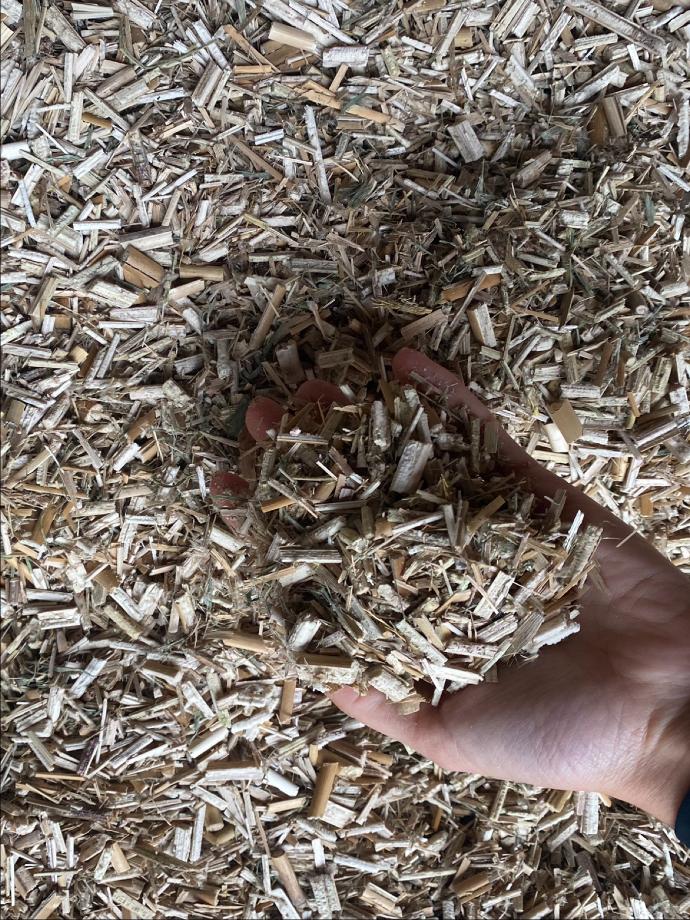
The material
Two complementary approaches, one shared ambition
The two visits offered complementary perspectives on the development of bio-based construction materials.
At Fiboo, participants discovered an innovative insulation solution based on bamboo fibre, combining agricultural production, research and development, and industrial manufacturing.
At Miscanbloc, they explored a different model based on miscanthus grown directly on a family farm and transformed into building blocks, demonstrating how agricultural diversification can generate new economic opportunities and local value.
Together, these projects show that there is no single pathway towards scaling up bio-based construction. Different crops, materials, production models and regional contexts can contribute to building more resilient and sustainable value chains.
At the same time, both visits highlighted the scale of the challenge ahead. Moving from promising innovations and pilot projects to widespread market adoption requires long-term investment, research and development, industrial capacity, certification, reliable supply chains and strong collaboration between agricultural and construction stakeholders.
These two concrete examples demonstrate both the potential and the complexity of the transition towards a more bio-based construction sector. By bringing together agricultural producers, material manufacturers, researchers and construction professionals, initiatives such as Circular Reno can help create the connections needed to accelerate this transition.
From bamboo fields to insulation panels, and from miscanthus crops to building blocks, these visits showed how local bio-based resources can become the foundation for new construction value chains — and how regional ecosystems can play a key role in scaling up sustainable renovation across Europe.
Want to learn more about biobased construction material ? Great, we've got you covered with our dedicated Mooc.