On 26–27 March, the entire consorium took part in the CircularReno Partner Days in Den Bosch (Netherlands). The European Interreg North-West Europe project is now entering its final phase, with a clear ambition: to turn energy-efficient renovation into a real driver for local bio-based and circular value chains across Europe.
Day 1: focus on structuring and closing the project
The first day focused on a comprehensive progress review:
- monitoring of work packages (supply chains, demonstrators, certification…)
- review of deliverables and project outputs
- organisation of the final phase of the project
- coordination of a shared operational roadmap among partners
- preparation of the final public event in Lille on the 26th of june 2026.
Beyond operational tracking, one topic stood out as central: the certification of carbon storage in bio-based materials.
Within the context of the upcoming European CRCF framework and the Bioeconomy Strategy, the challenge is significant: make the carbon benefits of these materials measurable, comparable, and ultimately marketable.
Without this recognition, large-scale deployment across Europe will remain limited.
Day 2: field immersion in real supply chains
The following day shifted from strategy to practice, with a visit to the Brabant region to see how these transitions are actually taking shape on the ground.
The goal was simple: connect European strategy with industrial reality.
Three sites were visited, each offering a distinct perspective:
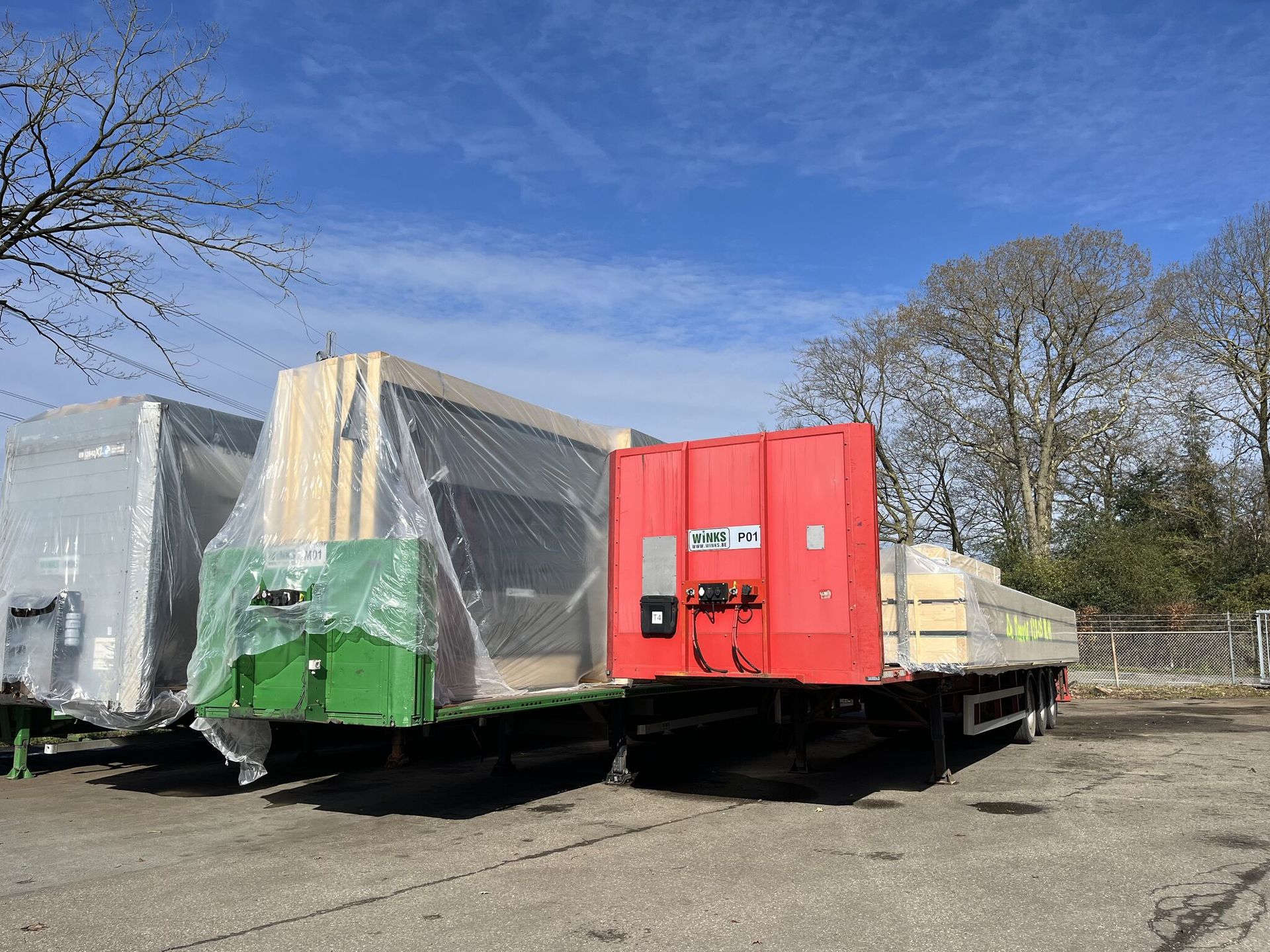
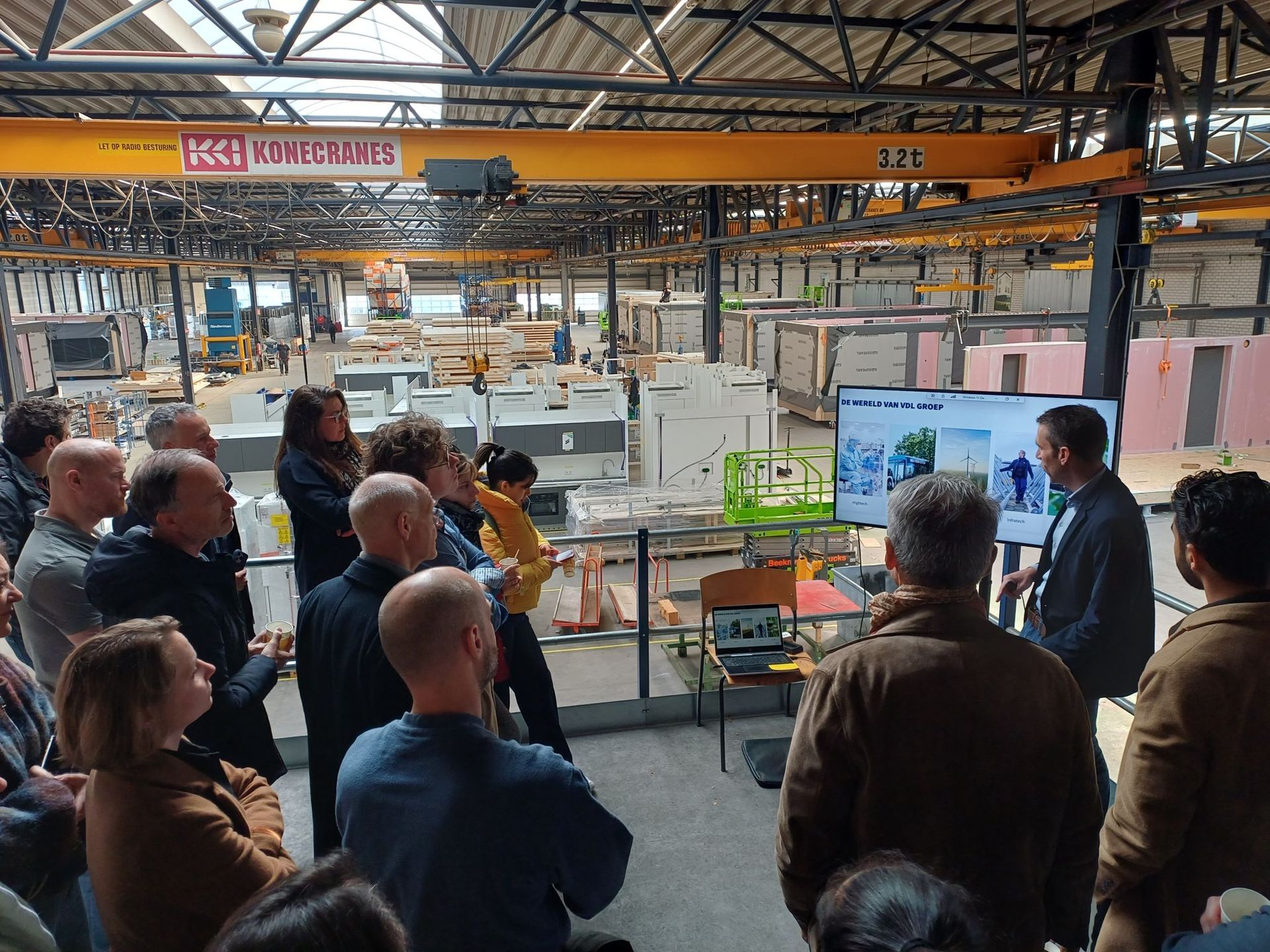
VDL De Meeuw
Industrialised modular construction at scale.
Here, prefabrication already integrates bio-based materials into reproducible, large-scale building systems.
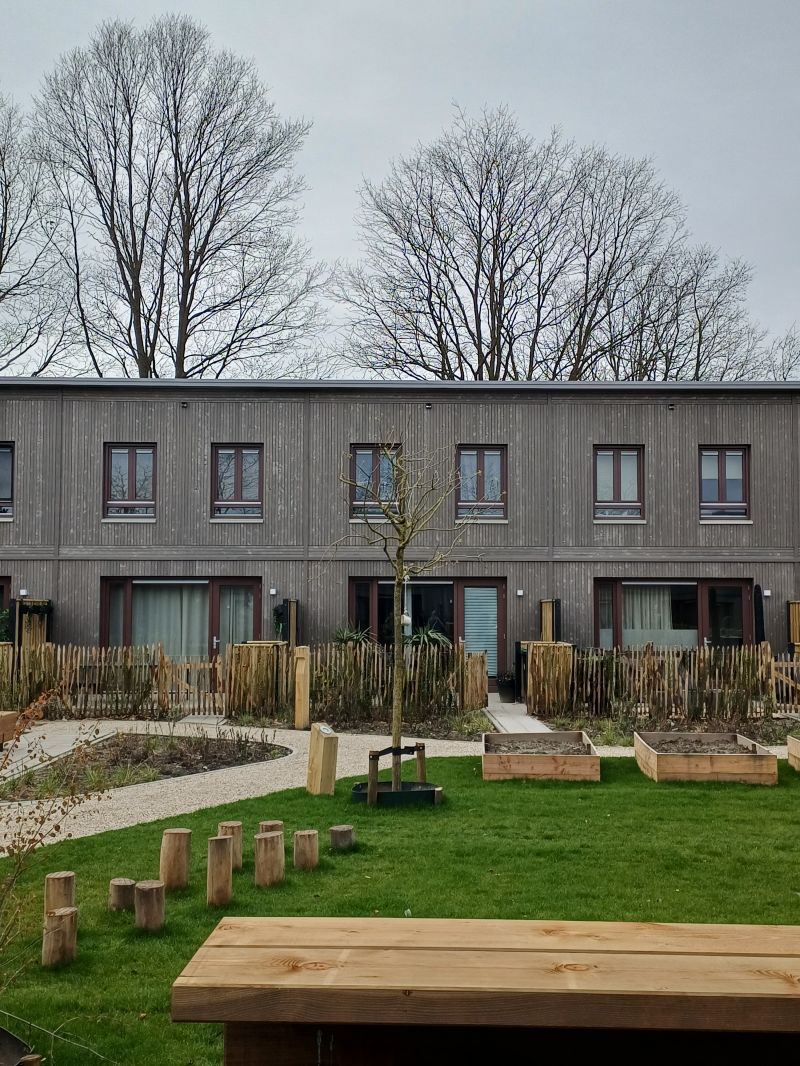
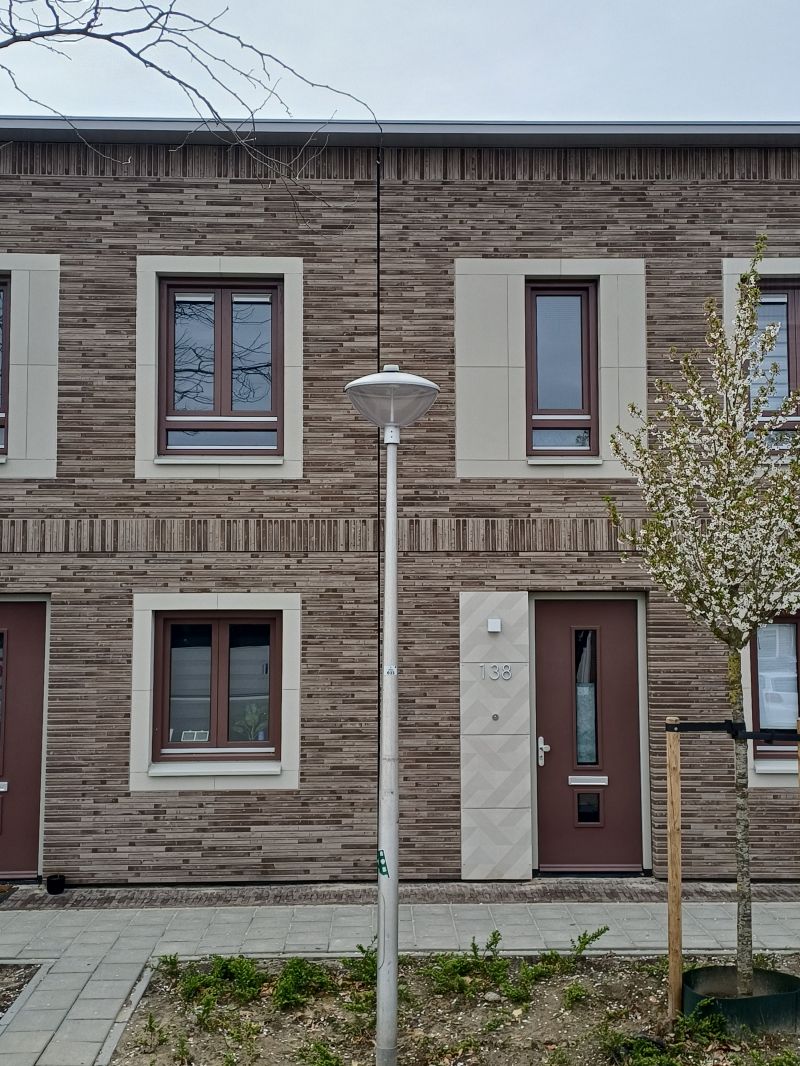
Hurks & Mainelaan project
Prefabricated social housing with a low-carbon footprint.
A concrete example of process optimisation driving greater circularity and environmental performance.
Nieuw Zwanenburg
Perhaps the most distinctive site: a space where agriculture, research and construction intersect.
A living laboratory where tomorrow’s building materials are not only designed… but literally grown.
What these two days revealed
Beyond technical demonstrations, one key message emerges:
Innovation is not driven by materials alone.
It depends above all on three structural enablers:
- the ability to organise coherent value chains,
- collaboration between industrial, public and academic stakeholders,
- and the capacity to move from prototypes to full-scale industrial deployment.
This is exactly where Circular Reno creates value, by building a concrete European framework for low-carbon renovation.
Many thanks to all partners involved for these rich and insightful discussions: Building Balance, Energiesprong Global Alliance, Wonion, Miscancell, Rc Panels, KORE Retrofit, Tuath, DENA, Le Cluster Eco-construction, Ressorts, GreenFlex, Vilogia, Neo Eco, and Société de Construction Écologique.
See you in Lille !